

Self-Injury & Recovery Resources (SIRR)

Consultation Services

Consultation Home
Services
Testimonials
Portfolio & Press
About
Contact


  • Consultation Home

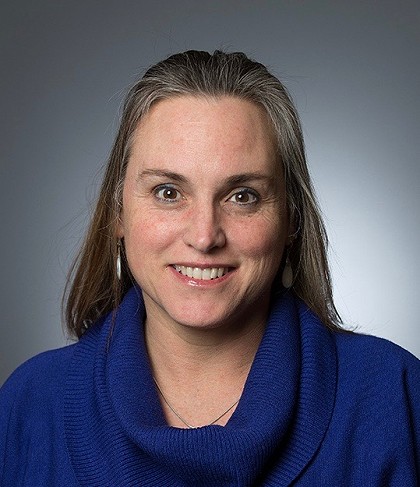
    Dr. Janis Whitlock

    Researcher, consultant, and practitioner dedicated to helping organizations understand, respond to, and prevent non-suicidal self-injury in young people.

    Cornell University — Emerita 25+ years research 70+ publications ISSS Co-founder
    Dr. Janis Whitlock
    30+ organizations served
    14,500+ research citations
    20+ countries reached
    2 Oxford books
    "What began as a small study on college campus prevalence grew into something much larger than I could have imagined — because the need was so pressing."

    In 2004, I established the Cornell Research Program on Self-Injury and Recovery to investigate what was then widely perceived as a new and emerging behavior among youth. My interest was personal before it was professional: self-injury entered my life through friends whose children were cutting themselves to feel better emotionally. That proximity never left me.

    Over the years, my team conducted dozens of studies spanning prevalence, function, social contagion, digital media, and recovery. In 2022, I retired from academia so I could devote all of my professional time to a single goal: ensuring that everyone affected by self-injury — individuals, families, and the professionals who serve them — has the information and skills they need to support healing and growth.

    This website, and the consultation work it represents, is the direct expression of that commitment.

    Work with me

    I work with schools, healthcare systems, nonprofits, and government agencies across a range of needs.

    Protocols & response frameworks

    Evidence-based NSSI protocols tailored to your setting, staff culture, and population.

    Training & capacity building

    Tiered programs for paraprofessionals, clinicians, and leadership. CEU-eligible formats available.

    Assessment & needs analysis

    Custom screening tools, organizational needs assessments, and EHR-integrated workflows.

    Custom materials & resources

    Staff guides, family handouts, clinical toolkits — built for real use, not filing away.

    Strategic consultation

    Roadmapping, implementation support, and ongoing advisory for organizational change.

    Keynotes & workshops

    Conference keynotes, professional development sessions, and community forums. CEU-eligible formats available.

    Family & individual coaching

    One-on-one support for families, caregivers, and others personally affected by NSSI.

    Ready to talk? Most organizations benefit from a combination of services. Reach out and we'll figure out the right starting point together.
    Get in touch
  • Consultation services

    From uncertainty to confidence. From awareness to action. Evidence-based consultation for organizations committed to supporting young people’s mental health and wellbeing. Every engagement is grounded in the latest research, tailored to your setting and population, and guided by a strength-based philosophy. Click any service below to learn more.

    "We don't know how to respond when a young person self-injures."

    Clinical protocols & response frameworks

    When staff encounter self-injury, the response in the next few minutes — and the days that follow — can shape a young person's trajectory for years. Too often, organizations respond from instinct rather than evidence, leading to reactions that inadvertently escalate harm or deepen shame. I work with your team to develop clear, compassionate, evidence-based protocols tailored to your setting and population — frameworks that help staff distinguish NSSI from suicidal behavior, stratify risk appropriately, and respond in ways that strengthen rather than rupture connection.

    This service includes

    • Clinical decision trees and risk stratification frameworks
    • NSSI/suicide differentiation guidelines
    • Integration with existing tools (C-SSRS, PHQ-9, and others)
    • Staff implementation guides and custom reference materials
    • Policy and procedure review and revision

    "Our staff want to help but don't feel equipped."

    Training & capacity building

    Knowledge without confidence doesn't save lives. Your clinicians, educators, counselors, and paraprofessionals may have heard of self-injury — but knowing how to respond in the moment, how to hold space without escalating, and how to support recovery without enabling avoidance requires something deeper than a one-hour workshop. I design and deliver tiered training programs that meet your staff where they are, grounded in trauma-informed, strength-based principles. CEU eligibility is available for clinical staff.

    This service includes

    • Needs-based curriculum design for multiple staff levels
    • Tiered training programs (paraprofessional, clinical, leadership)
    • Family and caregiver psychoeducation components
    • Custom staff guides and participant materials developed alongside training
    • Follow-up coaching and technical assistance

    "We're not sure we're measuring the right things — or measuring them well."

    Assessment tool development & needs assessment

    Good decisions require good data. As the developer of the NSSI Assessment Tool (NSSI-AT) — now widely adopted in clinical and research settings globally — I bring both the technical expertise and practical experience to help you build tools that are valid, usable, and meaningful. I also conduct organizational needs assessments that surface what's working, what's missing, and where the highest-leverage opportunities for change lie. This isn't about finding fault — it's about building on your strengths and filling the gaps that matter most.

    This service includes

    • Custom screening and assessment tool development
    • Validation planning and analysis
    • Organizational needs assessment design and facilitation
    • Findings reports with actionable priorities and recommendations
    • Integration with existing EHR systems and clinical workflows

    "We need resources our staff will actually pick up and use."

    Custom materials & resource development

    Generic handouts get filed away. Resources that speak directly to your population, your language, and your context get used — by staff in the hallway, by clinicians in session, by parents at the kitchen table. Every piece I develop is grounded in evidence, written for real humans, and designed to fit seamlessly into your existing workflows. Materials can stand alone or be developed as part of a broader training or protocol engagement — often the most powerful approach is building both together.

    This service includes

    • Staff guides and clinical reference materials
    • Client and family psychoeducation resources
    • Clinical quick-reference cards and decision tools
    • Needs-specific toolkits for diverse populations (LGBTQ+ youth, IDD, foster care, and others)
    • Review and revision of existing organizational materials

    "We know something needs to change, but we don't know where to start."

    Strategic consultation & implementation support

    Sometimes the hardest part isn't knowing what good looks like — it's knowing how to get there from where you are. Organizational change in youth mental health is rarely straightforward. I work alongside leadership teams to map the path forward — clarifying vision, identifying leverage points, sequencing change thoughtfully, and building internal champions who can sustain momentum long after our work together ends. My approach is collaborative and strengths-focused: we start with what your organization already does well and build from there.

    This service includes

    • Strategic planning facilitation for mental health initiatives
    • Policy and protocol review and enhancement
    • Implementation roadmapping and sequencing
    • Stakeholder engagement and change management support
    • Ongoing advisory and technical assistance

    "We need someone who can inspire our people and shift the culture."

    Keynotes & workshops

    Culture change starts with a shift in understanding. Whether you're launching a new initiative, convening a staff training day, hosting a community forum, or opening a conference, the right keynote or workshop can move people from passive awareness to genuine commitment. I bring over 25 years of translating complex research into language that resonates — with clinicians, educators, administrators, parents, and policymakers alike. Audiences leave not just informed, but energized and ready to act.

    This service includes

    • Customized keynote presentations for conferences and organizational events
    • Half- and full-day professional development workshops
    • Community forums and family education events
    • Webinar facilitation and panel participation
    • CEU-eligible formats available for clinical audiences

    "I'm a family member or caregiver — I need personal guidance."

    Family & individual coaching

    Navigating a loved one's self-injury can feel isolating and overwhelming. One-on-one coaching sessions provide families and caregivers with the understanding, language, and practical strategies they need to respond with confidence and care — without making things worse. Sessions draw on the same evidence base that informs my organizational work, translated into guidance that's immediately usable at home.

    This service includes

    • One-on-one sessions for parents, caregivers, and partners
    • Guidance on how to talk about self-injury without escalating
    • Strategies for supporting recovery while maintaining healthy boundaries
    • Resources tailored to your specific situation and relationship
    Not sure which service fits your needs? Most organizations benefit from a combination of services, and the right starting point depends on where you are. Reach out for a free 30-minute discovery call.
    Get in touch
  • What people say

    From school districts and clinical teams to individual mentees and family advocates — a few words from people Janis has worked with.

    Dr. Janis Whitlock is a seasoned psychologist and researcher with deep expertise in trauma-informed care, particularly with youth navigating crises such as depression, suicidality, and self-injury. With a rare blend of intellectual rigor, compassionate presence, and boundless curiosity, she creates a therapeutic space where pressing emotional pain is met with creativity, care, and profound listening. Dr. Whitlock is known for her unwavering dedication to understanding each individual's unique story, bringing both clinical excellence and heartfelt insight to her work with clients and communities.

    JS

    Janet S.

    Client

    Mrs. Janis Whitlock presented to School Psychologists and Mental Health Clinicians for Staff Development on the topic of "Supporting Students Who Self Injure." The participants found the training highly valuable, relevant, and impactful. They appreciated the useful information and practical application shared during the session and expressed interest in further learning, particularly in applying assessments and supporting students who self-harm.

    NL

    Nicole Lodato

    Assistant Director of Clinical Services, Tri-Valley SELPA

    Having the opportunity to work with Dr. Janis Whitlock provided Adams 12 Five Star Schools with the expertise of a leading professional in the field. Janis brings up-to-date research and practical guidance for supporting students, schools, and families around non-suicidal self-injury. She is thoughtful, thorough, and approachable in her work, offering a balanced blend of research-based insight and real-world application. Janis guided our system in developing education, processes, and procedures firmly rooted in evidence-based practices — thoughtfully tailored to our specific needs. Working with Dr. Whitlock has been invaluable in advancing our capacity to respond effectively to NSSI within our district.

    A1

    Adams 12 Five Star Schools

    School district, Colorado

    Dr. Janis Whitlock has been a mentor to me in shaping how I understand, communicate about, and approach NSSI from an evidence-based lens. Her guidance has consistently emphasized not only the science of NSSI, but the humanity behind it. This dual lens — rigorously grounded and deeply compassionate — is a hallmark of Dr. Whitlock's work and one of the greatest gifts she brings to the field. I am deeply grateful for her care, wisdom, and generosity over the years.

    AB

    Amanda Beausoleil

    Executive Director, Self-Injury Recovery & Awareness Inc.

    Want to work together? Reach out to start a conversation about how I can support your organization or team.
    Get in touch
  • Portfolio & press

    A curated selection of organizational partnerships, published works, media features, and public talks.

    School districts

    Poudre School District

    Fort Collins, CO

    Multi-year partnership

    Building district-wide capacity to identify and respond to NSSI, including staff training at multiple levels and development of district-specific response protocols.

    Jefferson County Schools

    CO

    Training & protocols

    Tiered training for clinical and educational staff alongside evidence-based response protocols tailored to the district's population and existing systems.

    Adams 12 Five Star Schools

    CO

    Capacity building

    Comprehensive initiative covering NSSI identification, response, and family engagement across multiple schools and staff levels.

    Healthcare & clinical systems

    Ulster County Access: Supports for Living

    NY

    Full-scope consultation

    Custom NSSI assessment instrument, clinical decision pathways, family psychoeducation guides, and training for both clinical and paraprofessional staff.

    Tri-Valley SELPA Clinical Service Team

    CA

    Clinical training

    Targeted consultation and training in NSSI assessment, risk stratification, and evidence-based response.

    Government & state agencies

    NJ Children's System of Care

    NJ — Statewide

    Statewide training

    Statewide training and technical assistance in NSSI and suicide prevention for the New Jersey children's behavioral health system.

    Texas Suicide Prevention Collaborative

    TX — Statewide

    Prevention training

    Expert training on NSSI-suicide differentiation and evidence-based prevention strategies for a statewide collaborative of practitioners.

    Nonprofits & research institutes

    NYU McSilver Institute

    NY

    Research translation

    Translation of evidence into program design and resource development for youth-serving practitioners.

    JED Foundation

    National

    Board member 2014–2020

    Served on the board of one of the nation's leading teen mental health organizations, contributing expertise in NSSI, suicide prevention, and adolescent development.

    Healing Self-Injury: A Compassionate Guide for Parents and Other Loved Ones

    Oxford University Press, 2019 · Co-authored with Elizabeth Lloyd-Richardson, PhD

    The definitive parent-facing guide to NSSI — translating 15+ years of research into compassionate, actionable support. Widely adopted by mental health professionals, educators, and families worldwide.

    The Handbook of Non-Suicidal Self-Injury

    Oxford University Press, 2024 · Co-edited with Elizabeth Lloyd-Richardson & Imke Baetens

    A comprehensive, authoritative synthesis of global NSSI research and practice — the definitive professional reference in the field, establishing evidence-based standards for assessment, intervention, and prevention.

    Select high-impact publications

    Non-suicidal self-injury as a gateway to suicide in adolescents and young adults

    Journal of Adolescent Health · 2013

    A landmark study establishing the relationship between NSSI and subsequent suicide risk — widely cited in clinical guidelines and prevention frameworks globally.

    Self-injurious behavior in a college population

    Pediatrics · 2006

    The first large-scale study to document NSSI prevalence in college populations — catalyzing a field and generating major national media coverage. Among the most-cited papers in the NSSI literature.

    CXMH

    Self-Harm: Compassionate Understanding & Healing

    On Faith & Mental Health · March 2023

    What self-injury is, how it differs from suicidal behavior, current prevalence trends, and practical first steps for those supporting someone who self-injures.

    Lemonada

    Why Do People Cut Themselves?

    Last Day · 2021

    A deep-dive into the psychology of self-injury for a broad public audience, produced in partnership with The JED Foundation.

    ITRIPLES

    Parenting with Lived Experience of Self-Injury

    The Psychology of Self-Injury Podcast · 2023

    Practical guidance for parents navigating conversations about their own self-injury history and supporting young adult children who self-injure.

    Dr. Robyn

    How to Talk to Kids about Self-Injury

    How to Talk to Kids About Anything · 2020

    How to recognize self-injury, respond without escalating, and support recovery in young people who are struggling.

    Elements of Being

    Understanding Emotional Regulation and Self-Injury in Adolescence

    The Elements of Being Podcast · 2020

    The emotional and psychological mechanisms underlying self-injury, and what they reveal about the human capacity to cope and heal.

    TIME

    Teen Depression and Anxiety: Why the Kids Are Not Alright

    TIME Magazine · November 2016 — Cover Story

    Featured as a central expert voice in TIME's landmark cover story on the teen mental health crisis, quoted extensively on self-injury, social media, and emotional dysregulation.

    NYT

    Getting a Handle on Self-Harm

    The New York Times · November 2019

    Cited throughout this major NYT investigation into the science, prevalence, and treatment of self-harm, drawing extensively on Cornell Research Program findings.

    Psychology Today

    Youth and Consequences

    Psychology Today · Regular contributor, 2009–2019

    Regular column translating research on adolescent mental health, self-injury, and digital media for a broad public readership across more than a decade.

    ABC

    Good Morning America

    ABC · 2006

    Featured expert on a segment examining the role of online message boards in adolescent self-injury, following publication of groundbreaking research on NSSI prevalence.

    CBS

    The Early Show

    CBS · 2006

    Expert commentary on teen self-injury following the first large-scale documentation of NSSI prevalence in college populations.

    NPR

    National Public Radio

    Multiple appearances · 2006–2020

    Recurring expert voice on adolescent mental health, self-injury, digital media impacts, and youth wellbeing across multiple NPR programs and affiliates.

    2022

    NSSI Research and Intervention in Context: A Personal Reflection

    International Society for the Study of Self-Injury — Faculty Fellow Keynote

    Invited keynote reflecting on the evolution of NSSI research, lessons learned across two decades of translational work, and the field's most promising frontiers.

    2022

    Social Media and Youth Wellbeing: Where We Are and Where We Are Going

    Francqui International Professor Inaugural Lecture · VUB, Brussels

    Inaugural lecture addressing the state of the science on social media and adolescent mental health.

    The Epidemic of Self-Harming Behaviors

    Harvard Medical School Continuing Education — Plenary

    Plenary address to clinicians and researchers on the social, cultural, and contextual factors driving self-injurious behavior in contemporary adolescence.

    2018

    Depression: Youth Mental Health and Digital Media

    Children and Screens — #AskTheExpert Series

    Panelist at the Institute of Digital Media and Child Development, addressing the intersection of media use, depression, and adolescent wellbeing.

    Want to discuss a potential engagement? Reach out to start a conversation about working together.
    Get in touch
  • Developmental psychologist · Translational researcher · Consultant · Perpetual student of what it means to help

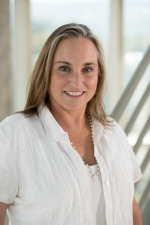
    Janis Whitlock, PhD, MPH

    I didn't set out to spend my career studying self-injury. I set out to understand why some young people thrive — and why others struggle so profoundly to find their footing. That question led me, eventually, to some of the most misunderstood and stigmatized experiences in adolescent mental health.

    Dr. Janis Whitlock

    Early in my career, working at the intersection of community health and youth development, I kept encountering the same gap: researchers were generating important findings, but those findings weren’t reaching the people who most needed them — the counselors, educators, clinicians, and administrators showing up every day for young people in pain. That gap became my life’s work.

    Knowing the evidence is only half the equation. The other half is knowing how to use it.

    In 2004, I founded the Cornell Research Program on Self-Injury and Recovery (CRPSIR) at the Bronfenbrenner Center for Translational Research — one of the first programs in the world dedicated specifically to understanding non-suicidal self-injury in adolescents and young adults. What began as a small research initiative grew into a globally recognized program, producing over 60 peer-reviewed publications, developing validated assessment tools, and creating educational resources now used by families, clinicians, and educators worldwide.

    In 2006, I convened the first meeting of what would become the International Society for the Study of Self-Injury (ISSS), serving as its founding president and watching it grow into the premier global organization advancing NSSI research, practice, and policy across more than 20 countries.

    My academic home was Cornell University for nearly two decades — first as a Senior Lecturer in the Department of Human Development, then as a Research Scientist and Associate Director at the Bronfenbrenner Center for Translational Research, and now as Emerita Research Scientist. My driving question was never just “what does the research show?” but always “what does it mean for the person sitting across from a struggling teenager right now?”

    In 2019, I formalized that commitment by founding Whitlock Consulting — bringing 25 years of research, training, and organizational partnership directly to the schools, clinics, nonprofits, and agencies working hardest on behalf of young people. Since then, I’ve partnered with more than 30 organizations across the country, building protocols, training staff, and developing resources tailored to each setting’s unique culture and needs.

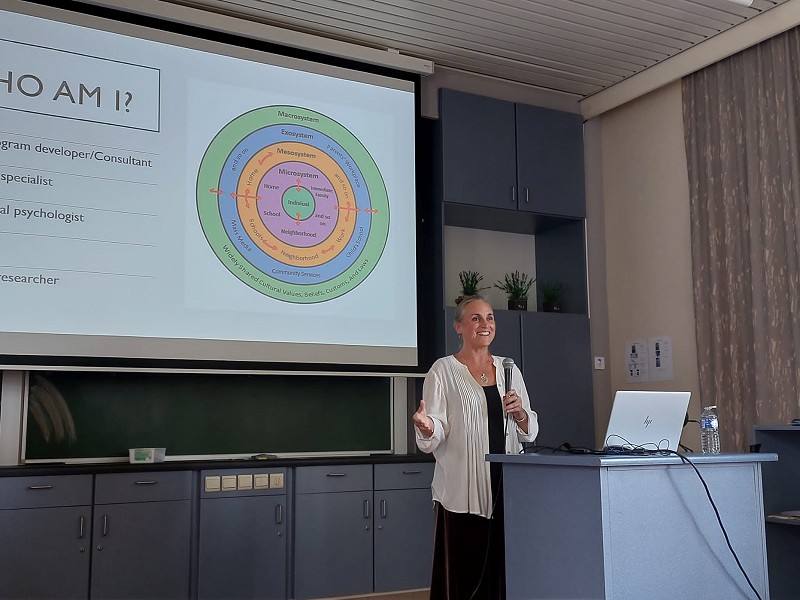
    Speaking at VUB Brussels, 2022

    Francqui International Professor lecture, VUB Brussels, 2022

    The longer I’ve worked in this field, the more convinced I’ve become that effective support for young people requires more than clinical technique. It requires adults who are genuinely curious about human experience — who understand that self-injury, like so many forms of suffering, is often a language spoken by people who haven’t yet found another way to say what needs to be said.

    My approach is consistently strength-based, trauma-informed, and deeply attentive to the relational dimensions of healing. I’m as interested in what helps people recover and grow as I am in what causes harm. I split my time between Devon, England — where I live with my partner near the River Yealm — and the US, where most of my consulting work is based.

    Ready to work together? If you're building something that matters for young people and want a partner who brings both the science and the human understanding — I'd love to hear from you.
    Get in touch
  • Get in touch

    Whether you’re exploring a potential engagement, looking for personal guidance, or just have a question — I’d love to hear from you. I typically respond within two business days.

    I am reaching out as a

    Prefer email?

    Write directly

    Happy to hear from you however works best.

    Response time

    Within two business days

    I'm based in Devon, UK (GMT) and work primarily with US clients. I'll respond promptly and we can find a time that works across time zones.

    Stay connected

    Join the listserv

    Receive updates from the Cornell Research Program on Self-Injury and Recovery. Email crpsib-l-request@cornell.edu with the word “join” in the body of the message.

Contact Information

Please feel free to contact us if you have questions, would like additional information about our education and consultation services, or want to participate in our study activities.

© 2026 The Cornell Research Program for Self-Injury Recovery. All Rights Reserved. Website developed and maintained by ecoAPM.